
The process of launching a new product is probably one of the most thrilling-yet-problematic procedures in the life of any company. On the way to market, there is a decision on the design, functionality, engineering, user experience, the price of an item, materials, manufacturability, etc. A single slip may cause a delay, a budget hit or an overall failure of the project.
It is at this point where product design and development services will be necessary. Through these services, the businesses receive access to talented designers, engineers, research and strategy teams that can take the rough ideas and turn them into sharp, working, and ready-to-launch products.
Professional development services can take any uncertainty out of it and make all the difference in success whether you are making a consumer gadget, smart home device, wearable tech, kitchen product, industrial tool or a medical device.
This article will explore in detail how product design and development services operate, their importance, and how organizations may use them to improve and speed up innovation as well as risk mitigation.
What is Product Design and Development Service?
Product design and development service refers to the entire procedure of developing an idea to a functional, attractive and manufacturable commodity. These services normally involve:
Product ideation and strategy.
Competitor and market research.
Industrial design (shape, appearance, comfort)
Mechanical and Electronic engineering.
User experience evaluation
Quick prototyping and experimentation.
Design modification and enhancements.
Preparation and support manufacturing.
This is to make the product look good, work well, solve genuine problems and be produced in large quantities at affordable costs.
The reasons why these services are more important than ever.
Today’s market is crowded. The customers are more intelligent, sophisticated, there is an increased expectation and shorter product cycles. Even the best ideas may die because of poor design or engineering.
This is the reason why professional development services are important:
1. They mitigate the risks of development.
Over 70 percent of new products are a failure. Most fail because of:
Bad design decisions
Poor user experience
Engineering flaws
Wrong materials
Manufacturing issues
These errors can be avoided by a professional team with the help of established development techniques.
2. They Save Time and Money
Expert designers and engineers:
Pick the right materials
Get technical problems sorted out.
Quicken prototype cycles.
Eliminate costly redesigns.
This saves time to market and the overall costs are cut down.
3. They Improve Design Quality
The customers are concerned with product information:
How it feels
How it looks
How easy it is to use
How durable it is
It is high quality design that makes loyal customers- and powerful brands.
4. They simplify the manufacturing process.
An idea might sound excellent on paper and extremely difficult to produce. The design is made by experts to optimize on:
Assembly
Cost efficiency
Quality
Reliability
This avoids the huge manufacturing issues in the future.
5. They serve businesses that have small in-house expertise.
Most small enterprises and startups are not able to employ full time industrial designers, engineers and prototyping staff. They have immediate access to the world-class talent through the product design and development services.
The Product Design and Development Process.
And this is a step by step breakdown of what you can anticipate in dealing with a professional team.
1. Research & Discovery
The reason behind a great product is to understand:
Who the target users are
What pain points they have
What features matter most
What competitors are already present.
This step will also see your idea put in a winning position.
2. Concept Development
Designers start to draw sketches and experiment:
Shapes
Sizes
Features
Materials
Aesthetics
Several ideas are generated, contrasted and perfected.
3. Industrial Design
This phase focuses on:
Style and appearance
Ergonomics and comfort
Interaction design
Brand identity integration
An effective product does not just have a beautiful appearance but it should have a natural feel of usage.
4. Technical Development and Engineering.
The design is converted to the real functioning structure by mechanical and electrical engineers through:
Creating 3D CAD models
Designing mechanisms
Selecting materials
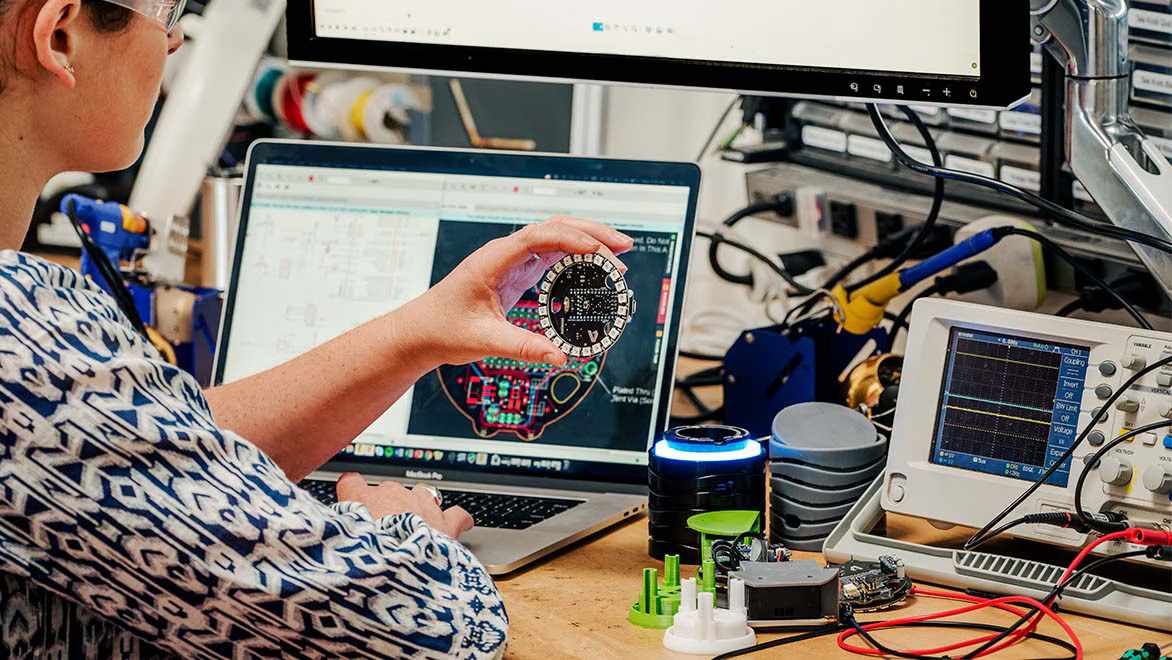
Electronics and PCBs engineering.
Durability and safety.
This forms the foundation of reliability of products.
5. Prototyping
Prototypes help validate:
Form
Fit
Function
Durability
Usability
Proper physical models are created with the use of tools like 3D printing, CNC machining and electronic prototyping.
6. Testing, Feedback & Iteration
All the prototypes are checked:
Strength
Comfort
Functionality
Safety
User experience
The point of feedback is improvement and better design decisions.
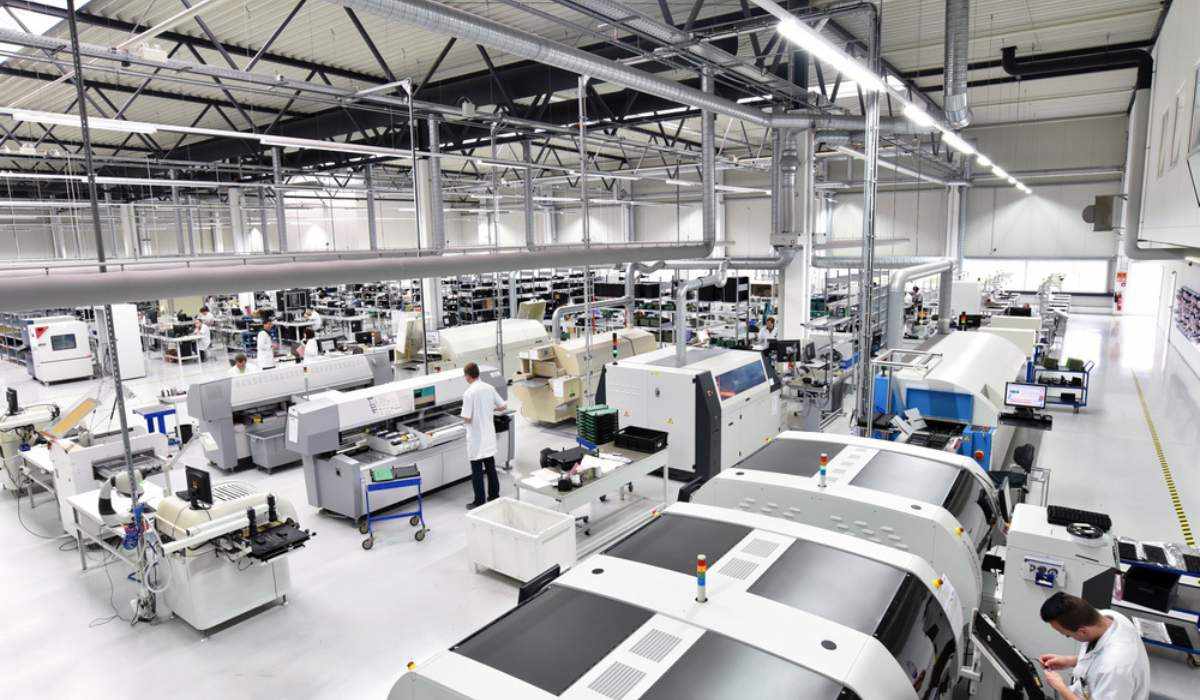
7. Manufacturing Preparation
After finishing with the product, the team is ready:
Engineering drawings
Material specifications
Tooling designs
Quality control procedures
Packaging recommendations
The end outcome is a final product that is production ready with a definite manufacturing road map.
Good industries that take advantage of product designing and development services.
These services are applied to the millions of industries, such as:
Consumer electronics
Wearable technology
Smart home devices
Healthcare and medical products.
Fitness and fitness equipment.
Home goods and appliances
Toys and educational tools
Automotive accessories
Industrial and commercial equipments.
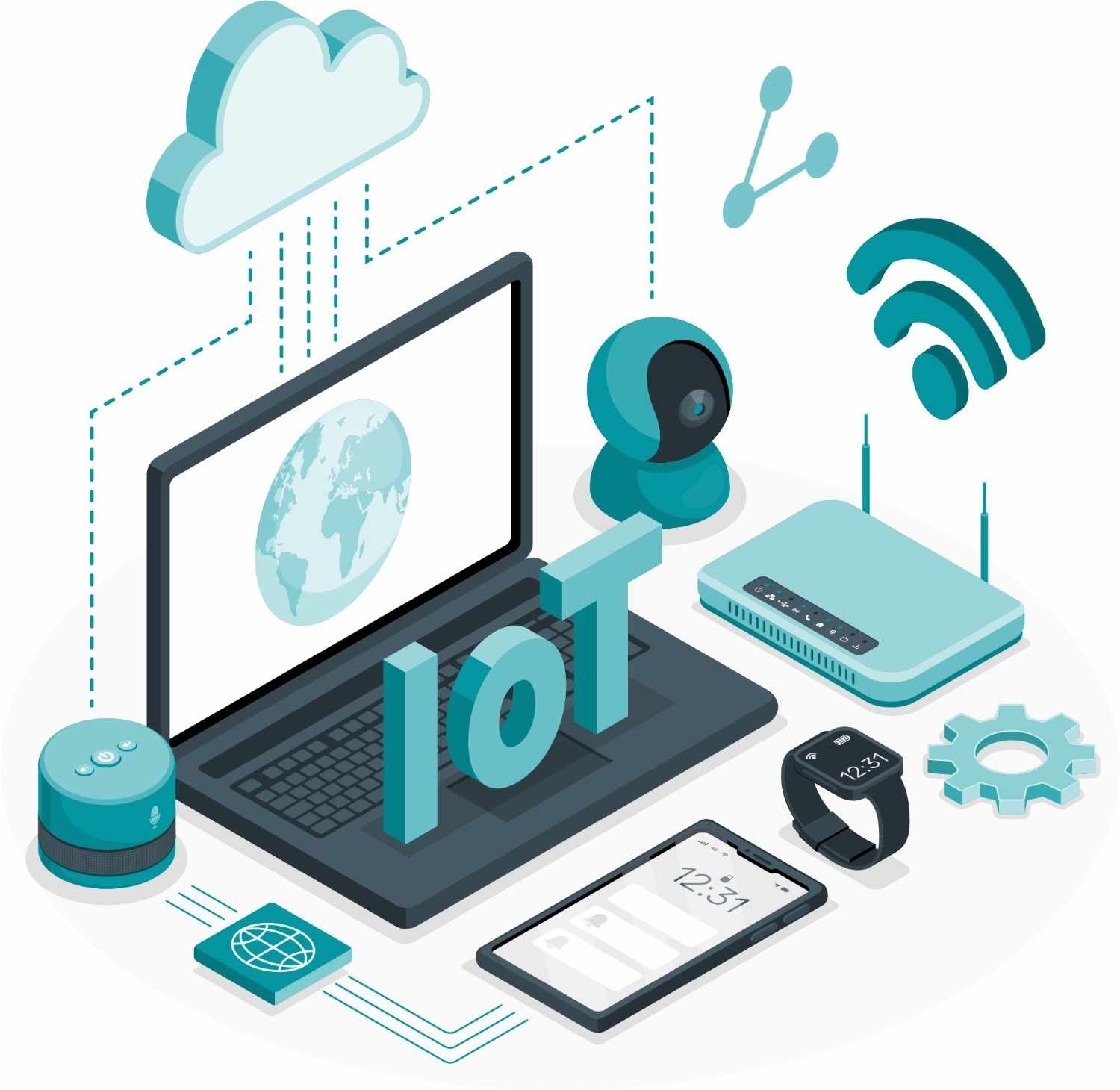
IoT and connected devices
Basically, it can be beneficial to any business that develops a physical or smart product.
The Question of finding the appropriate partner to develop your product.
Service providers are not all equal. Look for a partner with:
A strong portfolio
Experience in your industry
Internal engineering and design.
Clear communication
Transparent pricing
Prototyping capabilities
Manufacturing support
The correct team is a huge difference in the quality of final products and rate of development.
Frequently Asked Questions (FAQs)
1. What do product design and development services entail?
They are end-to-end services that design, engineer, prototype, test, and plan production of products based on designs into functional, manufacturable, and marketable products.
2. What is the cost of product development?
Prices are broadly dispersed based on complexity and generally will cost between 10,000 and 150,000 and above to complete development.
3. What is the time of product development?
An average product could also take 6-18 months of a product concept to the production process, based on product complexity and revisions.
4. Do I need a prototype?
Yes. Before investing in mass production, it is necessary to test the performance, usability, durability and manufacturability with the help of prototyping.
5. Would a development company be able to assist in the manufacturing?
The majority of professional firms offer manufacturing assistance and support such as the selection of vendors, tooling design, and files of production.
Disclaimer
The data contained in this article is used as a source of education and information. The latter should not be regarded as professional engineering, legal and business advice. When it comes to designing and developing a product, it has technical, financial as well as regulatory considerations. Decisions concerning product design, engineering or manufacturing must always be done with the help of experienced professionals or a professional IoT development company.

Write a comment ...